
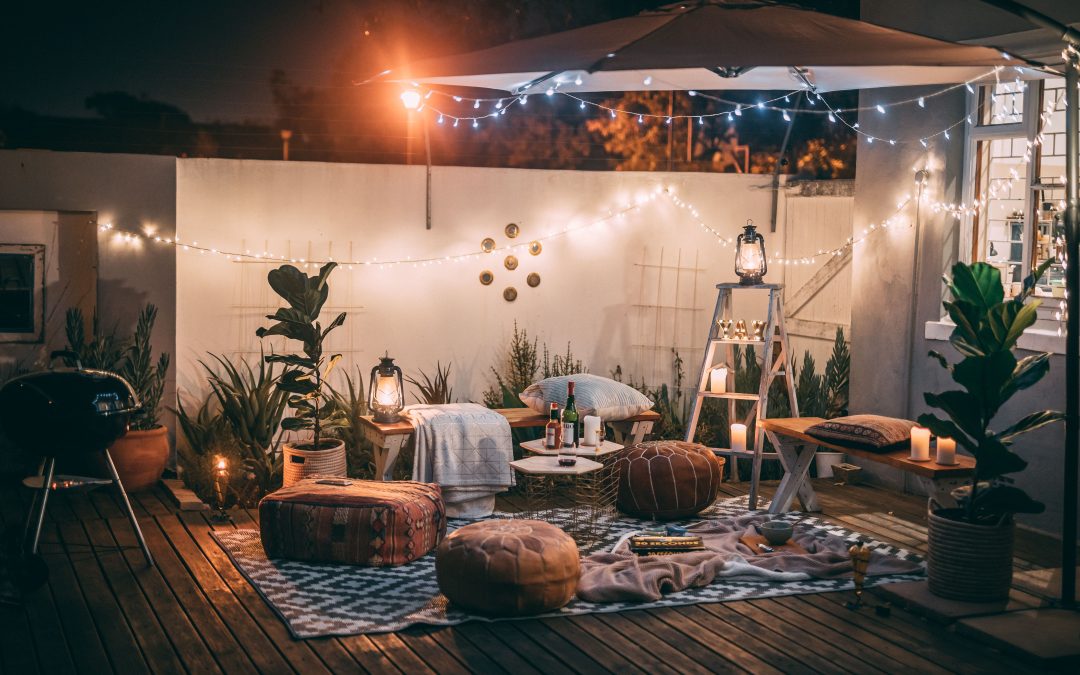
A backyard patio is more than just an outdoor area. It is a place where family gathers, friends catch up, and quiet evenings become memorable. But once the sun goes down, even the most beautiful patio can lose its charm without the right lighting.
The good news is that transforming your outdoor space does not require a major renovation. Learning how to add lighting to your backyard patio can make your space feel warmer, safer, and more inviting while allowing you to enjoy it long after sunset.
According to the U.S. Department of Energy, LED lighting uses at least 75 percent less energy and lasts up to 25 times longer than traditional incandescent lighting. That makes LEDs an excellent choice for outdoor spaces where durability and efficiency matter.
Whether you prefer a relaxed atmosphere, a modern design, or a space perfect for entertaining, these lighting ideas can help you create the patio you’ve always wanted.
Start with a Lighting Plan
Before buying fixtures, take a few minutes to think about how you use your patio.
Ask yourself:
- Do you host outdoor dinners?
- Is the patio mainly for relaxing?
- Do you need brighter lighting for cooking?
- Are there stairs or walkways that need extra visibility?
Planning ahead helps you choose lighting that serves both practical and decorative purposes.
Use String Lights for Instant Charm
One of the easiest ways to improve your patio is with outdoor string lights.
They are affordable, simple to install, and create a welcoming atmosphere almost instantly.
Popular installation ideas include:
- Hanging them above the seating area
- Wrapping them around pergolas
- Attaching them to fences
- Stretching them between poles
- Decorating nearby trees
Warm white bulbs often create a cozy ambiance that works well for casual gatherings.
Add Wall-Mounted Lights
If your patio connects directly to your home, wall-mounted fixtures provide dependable illumination.
These lights work well near:
- Patio doors
- Outdoor kitchens
- Dining spaces
- Seating areas
Choose weather-resistant fixtures that complement your home’s architectural style for a polished appearance.
Install Pathway Lighting
Lighting should improve both beauty and safety.
Pathway lights make it easier to navigate your yard after dark while adding visual interest.
They work especially well along:
- Garden paths
- Walkways
- Driveways
- Steps
- Flower beds
Many modern pathway lights are solar powered, making installation quick and eliminating the need for electrical wiring.
Highlight Landscaping with Spotlights
Your landscaping deserves attention after sunset too.
Spotlights can showcase:
- Mature trees
- Flower gardens
- Decorative rocks
- Water features
- Sculptures
By directing light upward, you create depth and make your outdoor space feel larger and more dramatic.
Choose Energy-Efficient LED Lighting
When learning how to add lighting to your backyard patio, choosing LED fixtures is one of the smartest decisions you can make.
LED lights offer several advantages:
- Lower energy consumption
- Longer lifespan
- Reduced maintenance
- Bright, consistent illumination
- Wide range of color temperatures
Although they may cost slightly more upfront, their long-term savings often make them worthwhile.
Create Layers of Light
Professional designers rarely rely on a single light source.
Instead, they combine multiple types of lighting to create balance.
A layered lighting plan may include:
- Overhead string lights
- Wall sconces
- Table lanterns
- Landscape lighting
- Step lights
- Accent spotlights
This combination creates both functionality and visual appeal.
Add Lanterns for Flexible Lighting
Outdoor lanterns are an easy way to introduce portable lighting.
They can be placed on:
- Dining tables
- Side tables
- Patio steps
- Garden walls
Battery-powered LED lanterns offer the look of candles without an open flame, making them a practical option for families.
Consider Smart Outdoor Lighting
Smart lighting has become increasingly popular because it offers convenience and flexibility.
Many systems allow you to:
- Adjust brightness
- Change lighting schedules
- Control lights remotely
- Set timers
- Integrate with voice assistants
This makes managing your patio lighting simple, especially when entertaining guests.
Illuminate Outdoor Dining Areas
If your patio includes a dining table, proper lighting makes meals more enjoyable.
Pendant lights, overhead string lights, or nearby wall fixtures provide enough illumination for dining while maintaining a comfortable atmosphere.
Aim for lighting that is bright enough to see food clearly without creating glare.
Use Deck and Step Lights for Safety
Safety should always be part of your lighting design.
Deck lights installed along stairs and edges help reduce the risk of trips and falls after dark.
These subtle fixtures also give your patio a high-end appearance without overwhelming the space.
Add Solar Lighting for Easy Installation
Solar-powered lighting has improved significantly over the past decade.
Today’s models charge during the day and automatically illuminate at night.
Solar fixtures work well for:
- Garden borders
- Walkways
- Decorative accents
- Fence posts
Because they require no electrical wiring, they are ideal for many DIY projects.
Choose the Right Color Temperature
The color of your lighting affects the overall mood.
Generally speaking:
- Warm white creates a cozy, inviting atmosphere.
- Neutral white offers balanced everyday lighting.
- Cool white provides brighter, more modern illumination.
For most patios, warm white lighting is the preferred choice because it encourages relaxation.
Weatherproof Your Lighting
Outdoor lighting must withstand changing weather conditions.
Look for fixtures specifically rated for outdoor use.
Quality outdoor lighting should resist:
- Rain
- Moisture
- Dust
- Heat
- Cold temperatures
Properly installed weather-resistant fixtures typically require less maintenance and last longer.
Avoid Overlighting
One common mistake is installing too many bright lights.
A patio should feel comfortable, not like a parking lot.
Instead of relying on extremely bright fixtures, spread softer lighting throughout the space.
This creates a balanced atmosphere while reducing harsh shadows.
Seasonal Decorating Ideas
Lighting can also change with the seasons.
In spring and summer:
- String lights
- Lanterns
- Garden spotlights
During autumn:
- Warm lanterns
- Decorative candles
- Accent lighting around pumpkins
For winter gatherings:
- White LED lights
- Evergreen lighting
- Festive outdoor decorations
Updating your lighting seasonally keeps your patio feeling fresh throughout the year.
Common Mistakes to Avoid
When deciding how to add lighting to your backyard patio, avoid these common errors:
- Using indoor fixtures outdoors
- Ignoring pathway lighting
- Choosing bulbs that are too bright
- Installing only one type of lighting
- Forgetting energy efficiency
- Skipping routine maintenance
A thoughtful lighting plan creates a more enjoyable outdoor experience.
Conclusion
Learning how to add lighting to your backyard patio is one of the easiest ways to improve both the beauty and functionality of your outdoor living space. Whether you install string lights for ambiance, pathway lights for safety, or spotlights to highlight landscaping, every fixture contributes to a more welcoming environment.
The best patio lighting combines comfort, efficiency, and style. With a little planning and the right mix of lighting options, you can enjoy relaxing evenings, family dinners, and outdoor entertaining in a space that feels inviting all year long.
Recent Comments