
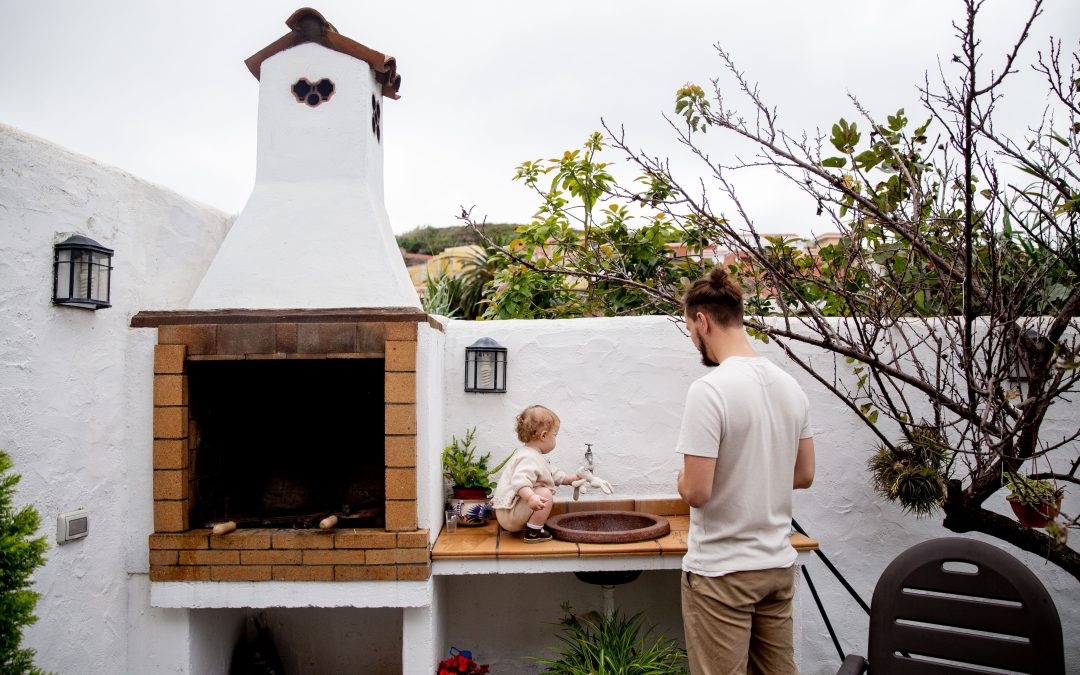
Imagine grilling dinner while friends gather around a comfortable seating area, kids play in the yard, and everyone enjoys the fresh air. An outdoor kitchen patio can turn your backyard into a functional living space that feels like an extension of your home. Whether you love hosting weekend barbecues or simply want a relaxing place to cook outdoors, careful planning is the key to creating a space you’ll enjoy for years.
The best part is that you don’t need an enormous backyard or an unlimited budget to make it happen. By focusing on smart design, durable materials, and practical features, you can build an outdoor kitchen patio that fits your lifestyle.
If you’re wondering how to build an outdoor kitchen patio, this guide covers everything you need to know before breaking ground.
Start with a Clear Plan
Before purchasing appliances or laying pavers, spend time planning your layout.
Think about how you’ll use the space. Will it mainly be for family dinners, entertaining large groups, or casual weekend cooking? Your answer will influence the size, layout, and features of your outdoor kitchen.
Sketch a simple layout that includes:
- Cooking area
- Food preparation space
- Dining area
- Seating
- Walkways
- Storage
- Lighting
Planning ahead helps avoid expensive changes later.
Choose the Best Location
Location plays a major role in the success of your project.
Many homeowners place outdoor kitchens close to the house for convenience. A shorter distance makes it easier to carry food, access utilities, and move between indoor and outdoor spaces.
Also consider:
- Wind direction
- Sun exposure
- Privacy
- Nearby trees
- Access to gas, water, and electricity
Choosing the right location improves both comfort and functionality.
Set a Realistic Budget
Outdoor kitchens come in a wide range of price points.
Create a budget that includes:
- Patio materials
- Grill
- Cabinets
- Countertops
- Utilities
- Seating
- Lighting
- Landscaping
- Labor if hiring professionals
Leave room for unexpected costs, especially if utility lines need to be extended.
A well-planned budget keeps the project manageable from start to finish.
Select Durable Patio Materials
The patio forms the foundation of your outdoor kitchen, so durability matters.
Popular options include:
- Concrete pavers
- Natural stone
- Stamped concrete
- Brick
- Porcelain pavers
Each material offers different benefits in terms of appearance, maintenance, and cost.
Choose surfaces designed for outdoor use that provide good traction, even when wet.
Design an Efficient Kitchen Layout
One of the most important parts of learning how to build an outdoor kitchen patio is creating an efficient layout.
Many designers follow the same basic work triangle used in indoor kitchens by placing the grill, preparation area, and serving space within easy reach.
Allow enough countertop space for:
- Food preparation
- Serving dishes
- Drinks
- Cooking utensils
Good workflow makes outdoor cooking far more enjoyable.
Pick Appliances That Match Your Needs
The grill is usually the centerpiece of any outdoor kitchen.
Beyond that, consider which appliances you’ll actually use.
Common additions include:
- Side burners
- Refrigerators
- Pizza ovens
- Ice makers
- Beverage coolers
- Outdoor sinks
- Smokers
Choose weather-resistant appliances specifically designed for outdoor installation.
The Hearth, Patio & Barbecue Association reports that outdoor cooking remains one of the most popular home improvement trends, with millions of households using outdoor grills each year.
Include Plenty of Storage
Outdoor cooking becomes much easier when everything has a designated place.
Weather-resistant cabinets can store:
- Grilling tools
- Plates
- Serving trays
- Cooking utensils
- Cleaning supplies
- Fuel accessories
Keeping essentials nearby reduces trips inside the house.
Look for stainless steel or other durable materials designed to withstand changing weather conditions.
Add Comfortable Seating
A great outdoor kitchen isn’t just for cooking. It’s also a place where people gather.
Include seating options such as:
- Dining tables
- Built-in benches
- Bar seating
- Lounge chairs
- Outdoor sofas
Arrange seating so guests can comfortably socialize without standing too close to the cooking area.
This creates a welcoming atmosphere while allowing the cook plenty of room to work.
Install Proper Lighting
Lighting extends the usability of your outdoor kitchen long after sunset.
A layered lighting plan often works best.
Include:
- Task lighting near cooking surfaces
- Path lighting for safety
- Ambient lighting for relaxation
- Accent lighting around landscaping
LED fixtures are energy efficient and provide excellent illumination for outdoor spaces.
Don’t Forget Utilities
Depending on your design, your outdoor kitchen may require:
- Gas lines
- Electrical outlets
- Water supply
- Drainage
Consult licensed professionals whenever utility work is involved.
Proper installation improves safety and ensures local building codes are met.
Planning utilities early prevents costly modifications later.
Add Shade for Comfort
Cooking outdoors becomes much more enjoyable with protection from direct sunlight.
Popular shade options include:
- Pergolas
- Covered patios
- Retractable awnings
- Shade sails
- Gazebos
Shade also helps protect outdoor furniture and appliances from prolonged sun exposure.
Enhance the Space with Landscaping
Landscaping ties the entire project together.
Consider adding:
- Flower beds
- Decorative shrubs
- Container plants
- Privacy hedges
- Raised garden beds
- Outdoor lighting
Plants soften hard surfaces and create a more inviting environment.
Choose low-maintenance varieties that thrive in your local climate.
Prioritize Safety
Safety should always be part of the design.
Keep these tips in mind:
- Place grills away from combustible materials.
- Maintain proper ventilation.
- Install fire extinguishers nearby.
- Use slip-resistant patio surfaces.
- Keep electrical outlets weather protected.
- Allow adequate space around cooking equipment.
According to the National Fire Protection Association, grills should be used outdoors only and positioned well away from structures and combustible materials to reduce fire risk.
Personalize Your Outdoor Kitchen
The finishing touches make your space feel complete.
Consider adding:
- Outdoor speakers
- Decorative planters
- Weather-resistant artwork
- Throw pillows
- Outdoor rugs
- Built-in fire pit
- Beverage station
These details help transform your patio into a comfortable outdoor living area you’ll enjoy throughout the year.
Conclusion
Learning how to build an outdoor kitchen patio starts with thoughtful planning and smart design choices. By selecting durable materials, creating an efficient layout, adding comfortable seating, and including practical features like storage and lighting, you can build an outdoor space that is both beautiful and functional.
Whether your project is simple or elaborate, investing time in careful planning will help you create a backyard kitchen that enhances your home’s value and provides countless opportunities to cook, relax, and spend quality time with family and friends.
Recent Comments