
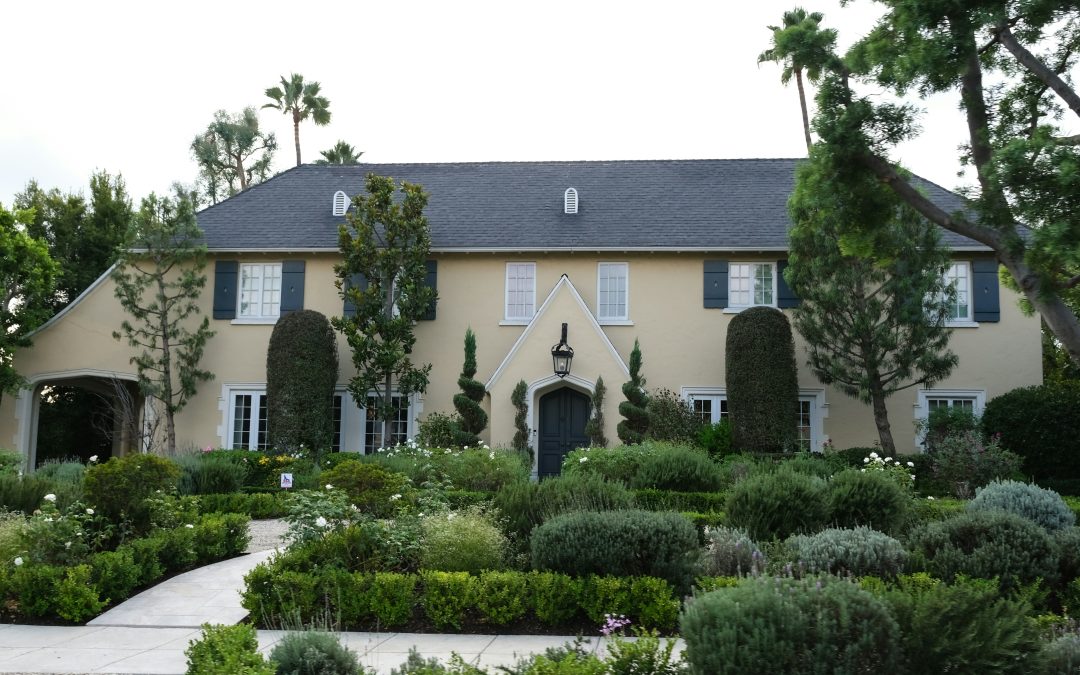
Your garden is more than just a patch of land—it’s an extension of your home, a place where beauty meets tranquility. Whether you have a spacious backyard or a small balcony garden, you can turn any outdoor area into a relaxing and visually stunning retreat with a few thoughtful design touches. Creating an aesthetic garden doesn’t require a huge budget or professional landscaping. It’s all about balance, texture, and creativity.
In this article, we’ll explore inspiring aesthetic garden ideas to help you elevate your space, from minimalist designs to lush botanical retreats.
Why Create an Aesthetic Garden
An aesthetic garden is not just about looks—it’s about creating a space that makes you feel good. It brings peace, helps you reconnect with nature, and enhances your home’s overall appeal. A well-designed garden can also:
- Increase property value and curb appeal.
- Improve mental well-being by reducing stress.
- Encourage outdoor activities like reading, yoga, or entertaining.
- Support biodiversity by attracting birds, butterflies, and pollinators.
Whether your style is modern, rustic, or bohemian, these garden design ideas will help you bring harmony and elegance to your outdoor area.
1. Choose a Theme or Style
Start by defining your garden’s overall theme. Having a clear vision helps you maintain consistency in colors, materials, and plants.
Popular garden styles include:
- Modern Minimalist: Clean lines, concrete planters, and simple greenery like succulents or ornamental grasses.
- Cottage Garden: Overflowing with flowers like roses, lavender, and daisies for a romantic, whimsical feel.
- Japanese Zen Garden: Focus on balance and tranquility with gravel paths, bamboo, and a small water feature.
- Mediterranean Garden: Terracotta pots, olive trees, lavender, and drought-resistant plants bring a warm, coastal charm.
- Tropical Garden: Lush greenery with palms, ferns, and colorful blooms like hibiscus and bird-of-paradise.
Choosing a theme gives your garden a cohesive, intentional look that feels curated rather than cluttered.
2. Layer Plants for Depth and Dimension
To create an inviting and balanced aesthetic, think in layers—just like interior designers layer textures and colors indoors.
- Tall plants and trees provide structure and shade.
- Medium shrubs and flowering plants add volume and color.
- Groundcovers or small border plants tie everything together.
For example, a combination of ornamental grasses, hydrangeas, and creeping thyme creates visual movement and richness. Mix evergreens for year-round color with seasonal plants that add variety throughout the year.
3. Incorporate Natural Pathways
Pathways are one of the easiest ways to enhance garden aesthetics while improving functionality. They guide visitors through the space and create visual flow.
Popular materials for garden pathways include:
- Natural stone or slate for a rustic look.
- Gravel for a low-cost, elegant solution.
- Brick for a traditional, warm feel.
- Stepping stones surrounded by moss for a natural, whimsical touch.
You can also line paths with solar-powered lights or low-growing plants like lavender to create soft borders and pleasant aromas.
4. Add a Water Feature
Nothing transforms a garden’s ambiance quite like the gentle sound of flowing water. A fountain, birdbath, or small pond adds movement, reflection, and serenity to your space.
If you’re working with limited space, consider a mini tabletop fountain or a wall-mounted water feature. These compact options provide the same calming effect without requiring major construction. Water also attracts wildlife like birds and butterflies, bringing your garden to life.
5. Play with Colors and Textures
A beautiful garden uses color strategically. Mix shades of green with bursts of color to create visual contrast. For example, pair deep green foliage with bright flowers such as marigolds, petunias, or hydrangeas.
You can also play with textures—combine smooth leaves with feathery grasses or bold succulents with soft moss. The contrast creates a sensory experience that feels vibrant and balanced.
A tip: Stick to a color palette of two or three dominant tones for harmony. Too many clashing colors can overwhelm the eye.
6. Use Creative Garden Decor
Thoughtful accessories can add personality and charm to your outdoor space. Choose decor pieces that blend naturally with your garden’s style rather than overpowering it.
Ideas include:
- Vintage lanterns or fairy lights for nighttime ambiance.
- Sculptures or pottery as focal points.
- A cozy bench or swing for relaxation.
- Hanging planters for vertical interest in smaller gardens.
If you love DIY, try upcycling items like wooden crates or old tires into planters. This adds a creative and eco-friendly touch.
7. Create Zones for Relaxation and Entertainment
Design your garden with purpose by dividing it into different zones. For instance:
- A seating area with chairs or hammocks for reading or chatting.
- A dining zone with a small table and string lights for outdoor meals.
- A quiet corner for meditation, surrounded by calming plants like lavender or jasmine.
Use natural dividers like trellises, hedges, or planters to separate these spaces while keeping the overall flow open and organic.
8. Focus on Lighting
Garden lighting enhances beauty and usability after sunset. Soft, warm lighting highlights pathways, trees, and focal points, creating a magical evening atmosphere.
Options include:
- Solar lights for eco-friendly illumination.
- String lights draped around trees or fences for a cozy feel.
- Spotlights to highlight sculptures or water features.
- Lanterns or candles for romantic charm.
Lighting isn’t just decorative—it also improves safety by illuminating walkways and steps.
9. Attract Pollinators and Wildlife
A truly aesthetic garden feels alive. Incorporate plants that attract butterflies, bees, and birds. Native flowering plants like coneflowers, milkweed, and sunflowers provide nectar for pollinators.
You can also add bird feeders, bee hotels, or shallow water dishes to create a welcoming habitat for wildlife. This not only enhances the visual charm but also promotes a healthy ecosystem.
10. Keep It Low Maintenance
Beauty doesn’t have to mean high effort. Choose low-maintenance plants suited to your climate, use mulch to reduce weeds, and install a drip irrigation system to save water.
Opt for perennials instead of annuals—they come back every year and require less replanting. A well-planned low-maintenance garden allows you to enjoy beauty without constant work.
Final Thoughts
Designing an aesthetic garden is about creating harmony between nature and comfort. With thoughtful planning, even the smallest spaces can become peaceful retreats that reflect your personality. Whether you prefer clean, modern lines or lush, romantic blooms, the right combination of plants, textures, and decor will transform your garden into a true outdoor sanctuary.
Take inspiration from nature, follow your instincts, and let your creativity bloom. Your garden should be more than just beautiful—it should be a space that feels like home.
Recent Comments