
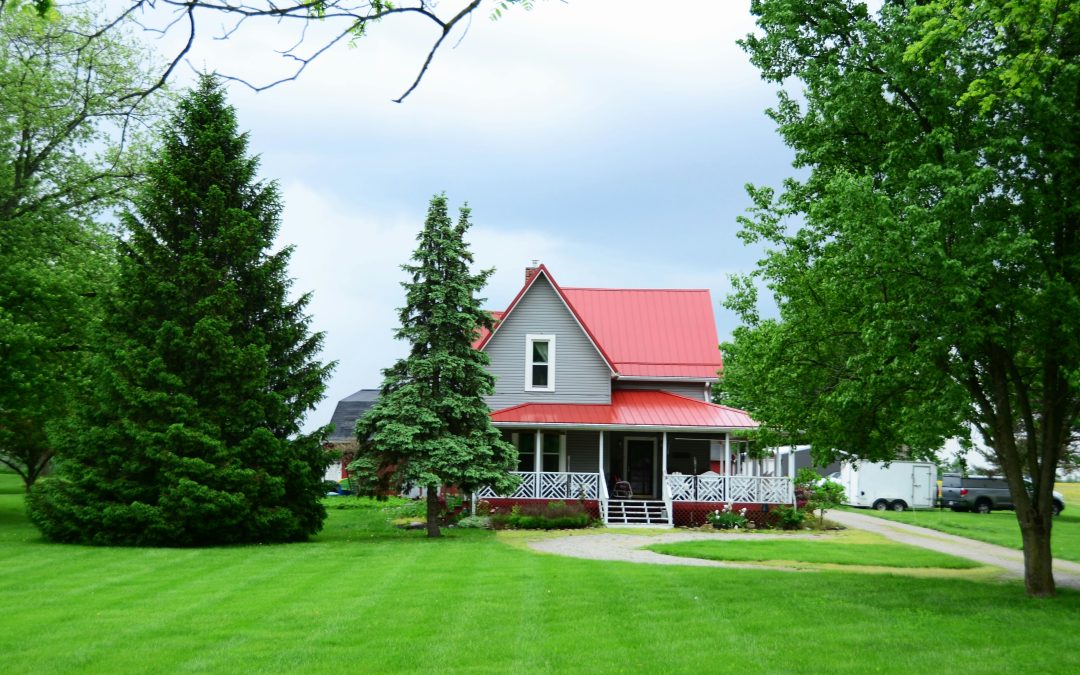
If you have ever wondered, “How do I plan landscaping around my house?”, you are not alone. A well-designed landscape not only makes your property more beautiful but also increases its value and enhances outdoor living. According to the National Association of Realtors, a well-landscaped home can add up to 15% more value to your property. The key is knowing how to plan strategically, so you achieve both functionality and curb appeal.
Assess Your Space and Needs
The first step in answering the question, “How do I plan landscaping around my house?” is to carefully assess your space. Consider your lot size, soil quality, and sun exposure. Think about how you plan to use your yard, whether it’s for entertaining, gardening, or simply enjoying a peaceful retreat.
Some steps to follow include:
- Conduct a soil test to know which plants will thrive.
- Observe how sunlight moves around your property throughout the day.
- Identify problem areas such as slopes, drainage issues, or shade-heavy corners.
- List your goals, such as adding a garden, creating pathways, or installing outdoor seating.
By understanding your space, you set the foundation for a landscape that is both functional and beautiful.
Design with Balance and Flow
When planning landscaping around your house, design plays a central role. Your yard should feel like an extension of your home, with a natural flow that guides the eye and movement.
Tips for effective design include:
- Symmetry and balance: Plant shrubs or trees evenly around walkways or entryways.
- Layering plants: Use taller plants at the back, medium in the middle, and smaller ones at the front.
- Pathways and edges: Define garden beds with stone, brick, or wood edging to keep everything tidy.
- Cohesive theme: Choose a color palette and stick to a theme, such as modern minimalism, cottage charm, or tropical vibes.
Good design ensures your yard looks intentional and welcoming.
Choose the Right Plants
One of the most critical parts of planning landscaping around your house is selecting plants that fit your climate and needs. Native plants are often the best choice since they require less maintenance and water.
Factors to consider when choosing plants:
- Climate suitability and hardiness zone.
- Blooming seasons for year-round color.
- Low-maintenance options if you prefer simple upkeep.
- Planting trees for shade and energy savings.
By making smart plant choices, you reduce long-term costs and enjoy a healthier, thriving garden.
Incorporate Outdoor Living Features
Landscaping is not just about plants; it’s also about how you use your outdoor space. Adding functional features makes your yard more enjoyable.
Some great ideas include:
- A patio or deck for dining and gatherings.
- A fire pit or seating area for cozy evenings.
- Water features like fountains or ponds for a soothing effect.
- Lighting along pathways and gardens for safety and ambiance.
These features not only increase your home’s appeal but also make your outdoor areas usable year-round.
Conclusion
So, how do I plan landscaping around my house? Start by assessing your space, designing with balance, choosing the right plants, and adding functional features. A thoughtful landscaping plan creates a space that’s beautiful, practical, and adds long-term value to your home. Whether you’re a beginner or working with a professional, your landscape can transform into a welcoming retreat that reflects your personality and lifestyle.
Recent Comments