
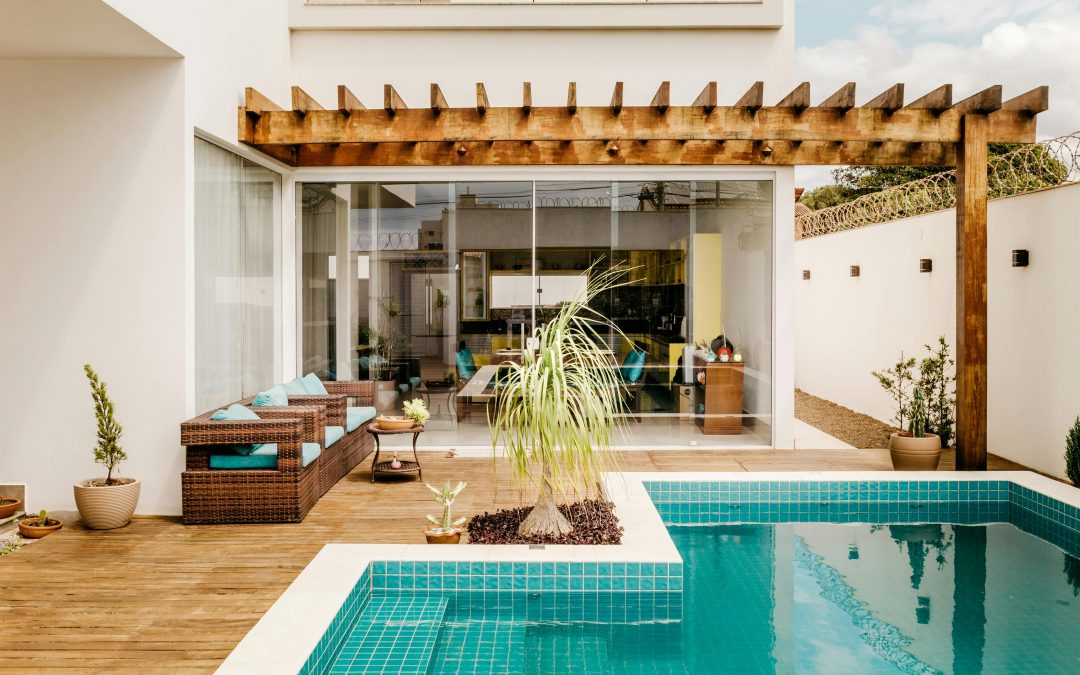
A patio can completely change how you enjoy your home. It can become a quiet spot for morning coffee, a gathering place for friends, or an extension of your living room under the open sky. Still, many homeowners feel overwhelmed when thinking about design, materials, and cost. The good news is that learning how to build custom patios does not have to be complicated or stressful. With the right planning and a clear vision, you can create a space that feels personal, functional, and long lasting.
Let us break it all down in a simple, friendly way so you can move forward with confidence.
Why Custom Patios Are Worth the Effort
Custom patios stand out because they are designed around how you actually live. Instead of forcing your lifestyle into a generic layout, you get to shape the space around your needs.
According to the 2024 Remodeling Impact Report by the National Association of Realtors, outdoor living upgrades like patios can recover up to 95 percent of their cost at resale. That makes patios one of the most valuable exterior improvements homeowners can make.
Beyond value, a custom patio simply feels better to use. It fits your yard, your style, and your daily routine.
Start With a Clear Purpose for Your Patio
Before choosing materials or shapes, pause and think about how you want to use the space. This step is often skipped, but it makes every later decision easier.
Ask yourself questions like:
- Will this patio be for dining, relaxing, or entertaining
- How many people do you usually host
- Will you need shade, lighting, or privacy
- Do you want space for a fire pit or outdoor kitchen
When you know the purpose, you avoid building something that looks nice but feels awkward to use.
Choose the Right Location in Your Yard
Location plays a huge role in comfort and usability. Sun exposure, drainage, and access from the house all matter.
A patio close to the kitchen is great for outdoor dining. A more private corner works well for relaxation. Pay attention to how the sun moves across your yard during the day. This helps you decide if you need shade structures or umbrellas.
Learning how to build custom patios includes understanding your outdoor environment, not just the design itself.
Select Materials That Match Style and Climate
Material choice affects appearance, durability, and maintenance. There is no single best option for everyone, but some popular choices include:
- Concrete for affordability and versatility
- Pavers for design flexibility and easy repairs
- Natural stone for a high end, timeless look
- Brick for classic charm and durability
- Wood or composite for a warm, natural feel
According to data from the Interlocking Concrete Pavement Institute, pavers are one of the most popular patio materials because they allow water drainage and resist cracking better than poured concrete in many climates.
Choose materials that fit both your design taste and local weather conditions.
Plan the Layout With Comfort in Mind
A beautiful patio still needs to feel comfortable when people move around. Leave enough space for walking paths, seating, and furniture placement.
A helpful guideline is to allow at least three feet of clearance around dining tables and seating areas. This prevents the space from feeling cramped.
When thinking about how to build custom patios, imagine real life use. Picture chairs pulled out, people walking through, and doors opening from the house.
Think About Levels and Shape
Custom patios do not have to be flat rectangles. Gentle curves, multiple levels, or built in borders can add visual interest and define zones within the space.
For example:
- A raised section for dining
- A lower area for lounging
- Curved edges that blend with landscaping
These design choices make the patio feel intentional and integrated with the yard.
Include Functional Features Early On
It is much easier to plan features at the beginning than to add them later. Consider whether you want:
- Built in seating or planters
- Electrical outlets for lighting or speakers
- Gas lines for grills or fire features
- Drainage solutions to prevent water pooling
According to the American Society of Landscape Architects, homeowners increasingly prioritize functionality alongside aesthetics in outdoor spaces. Planning ahead saves money and frustration later.
Decide Between DIY and Professional Help
Some homeowners enjoy taking the DIY route, especially for smaller patios. Others prefer professional installation for complex designs or heavy materials.
DIY can work well if:
- The patio is small or simple
- You are comfortable with tools and measurements
- Local codes allow homeowner installation
Professional help is often better if:
- The patio requires excavation or grading
- You are using stone or large pavers
- You want integrated utilities or structures
Knowing your limits is part of learning how to build custom patios successfully.
Budget Realistically Without Cutting Corners
Setting a budget early helps guide decisions. Include costs for materials, labor, permits, and future maintenance.
A report from HomeAdvisor shows that the average patio installation cost varies widely depending on size and materials, which is why custom planning matters. Spending a bit more on quality materials often reduces maintenance costs over time.
Focus on value rather than the lowest price.
Personalize With Finishing Touches
Once the structure is complete, the finishing touches bring the patio to life. This is where your personality really shines.
Consider adding:
- Outdoor rugs and cushions
- Planters or garden beds
- String lights or lanterns
- Shade sails or pergolas
These elements can be updated over time, which keeps the space feeling fresh.
Final Takeaway
Building a patio is about more than laying stone or concrete. It is about creating a space that fits your lifestyle, your yard, and your future plans. By understanding how to build custom patios step by step, you avoid costly mistakes and end up with an outdoor area you truly enjoy. Start with purpose, plan carefully, choose the right materials, and think about real life use. With thoughtful decisions, your custom patio can become one of the most loved spaces in your home.
Recent Comments