
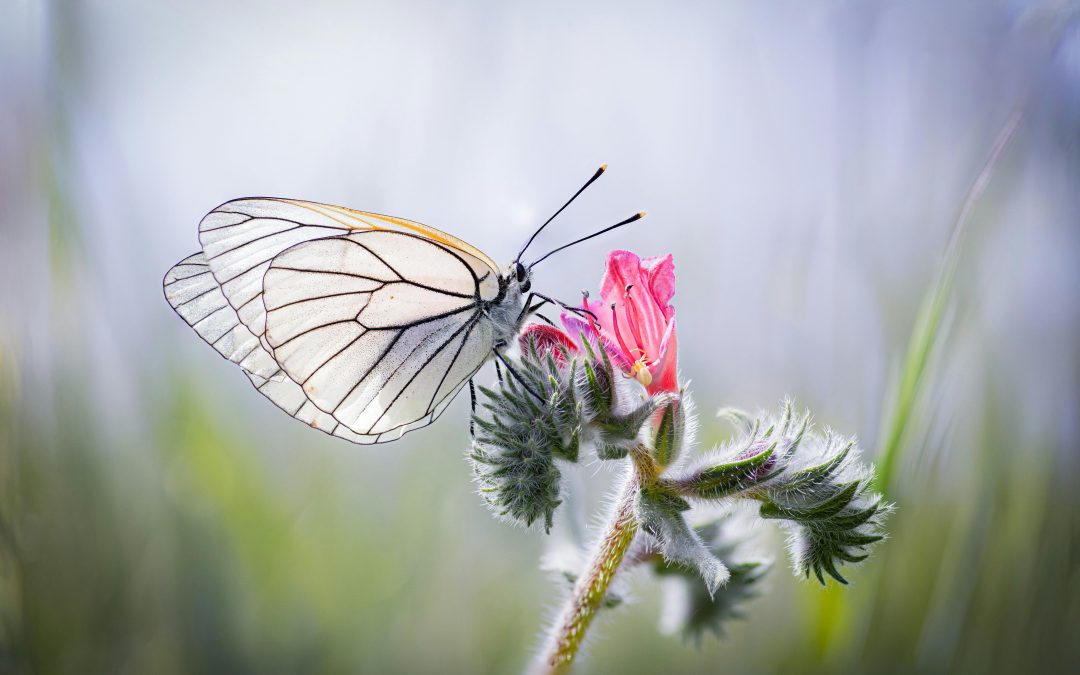
Ever watched a butterfly float past you on a sunny afternoon and thought, “I wish I had more of those in my yard”? You’re not alone—and the good news is, you can! If you’re wondering how to create a butterfly garden for beginners, this guide will walk you through everything you need to know in a super simple, no-fuss way. Whether you’ve got a big backyard or a few containers on a patio, butterflies can be your regular visitors with just a few thoughtful touches.
Why Butterfly Gardens Are Totally Worth It
Besides being beautiful to look at, butterfly gardens support local ecosystems. According to the U.S. Forest Service, butterflies are important pollinators—right up there with bees. Plus, they’re a great way to get kids interested in nature and gardening. Creating a space just for them doesn’t require tons of experience or money—just a little knowledge and some patience.
Let’s dig in.
Pick the Right Spot
Butterflies love sunshine, so choose a sunny area that gets at least 5–6 hours of direct sunlight daily. Shelter from wind is also helpful—placing your garden near a fence, hedge, or wall can give butterflies a calm place to rest and feed.
Don’t worry if your space is small. A balcony, a few planters, or a sunny corner of your yard can do the trick.
Grow Plants That Butterflies Love
This is where the magic happens. To attract butterflies, you’ll need nectar plants for feeding and host plants where butterflies lay their eggs and caterpillars can munch.
Popular nectar plants:
- Coneflower (Echinacea)
- Zinnias
- Black-eyed Susan
- Butterfly bush (Buddleia)
- Lantana
Top host plants:
- Milkweed (essential for monarch butterflies)
- Parsley (swallowtail butterflies love it)
- Fennel
- Dill
Pro tip: Choose native plants when you can—they’re better adapted to your local climate and butterflies will recognize them right away.
Add Water and Resting Spots
Butterflies don’t need deep birdbaths or fancy fountains. A shallow dish with wet sand or mud works wonders. This gives them a place to “puddle,” which means they’re sipping water and getting minerals at the same time.
Flat rocks in sunny spots also make great rest areas. Butterflies often stop to warm their wings in the sun, so think of these rocks as tiny butterfly lounge chairs.
Avoid Chemicals
If you want butterflies to stick around and lay eggs, skip the pesticides and herbicides. Even organic sprays can harm caterpillars and adult butterflies. Hand-pull weeds when you can, or use mulch to keep them down.
Also, don’t panic if you see leaves being chewed. That means your host plants are working! Remember, caterpillars have to eat before they become butterflies.
Keep Things Blooming
Try to include a mix of plants that bloom at different times throughout spring, summer, and fall. This way, butterflies have a constant source of nectar and your garden stays colorful longer.
Here’s a quick bloom-season guide:
- Spring: Phlox, violets
- Summer: Coneflower, milkweed, verbena
- Fall: Goldenrod, aster
Bonus tip: Group the same plants together. Butterflies are more attracted to “flower clumps” than scattered single blooms.
Real-Life Butterfly Fun Fact
A single monarch butterfly can travel up to 3,000 miles during migration! (Source: Monarch Watch) That makes your little garden a potential pit stop for one of nature’s most amazing travelers.
Extra Ideas for a Beginner-Friendly Butterfly Garden
Want to go a step further? Here are a few easy add-ons:
- Plant labels: Help you remember what’s growing and educate visitors.
- Mini signpost: “Butterfly Zone – Do Not Disturb!” for fun and awareness.
- Binoculars or magnifying glass: Great for observing without touching.
What About Caterpillars?
Yes, they’ll be there—and that’s a good thing. A lot of people forget that butterflies come from caterpillars, so if you spot some leaf nibblers, don’t reach for the bug spray. Celebrate the full cycle!
Final Thoughts
Learning how to create a butterfly garden for beginners isn’t just about flowers—it’s about building a peaceful, pollinator-friendly space that gives back to nature and brightens your day. With just a little effort, you can turn even a small outdoor space into a buzzing, fluttering haven for butterflies.
So, grab a few plants, pick your sunny spot, and start your butterfly adventure today. Who knows? Your yard might just become the most popular spot on the block—at least for butterflies!
Recent Comments