
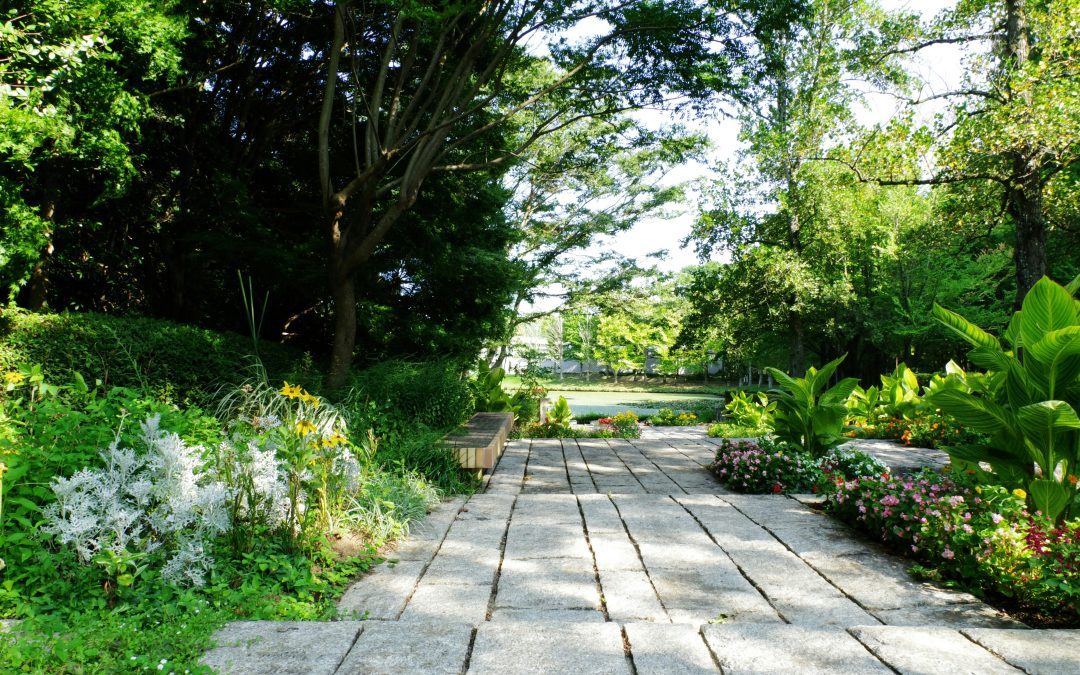
Adding a walkway to your garden is one of the simplest ways to make it more functional and inviting. A well-designed path not only guides visitors through your outdoor space but also protects plants and prevents soil erosion. If you have ever wondered how to make walkway in garden, the process is easier than you might think. With a little planning and creativity, you can build a pathway that enhances both beauty and practicality.
Step 1: Plan Your Garden Walkway
Before you start digging or laying stones, spend some time planning. A walkway should fit naturally into your garden’s design and complement your home.
Things to consider while planning:
- Purpose: Is it a decorative path or a practical route to your shed or patio?
- Shape: Straight paths work for a clean, modern look while curved ones feel more natural.
- Width: Make sure the walkway is wide enough for easy walking (usually 2–4 feet).
- Style: Match materials to your garden theme, whether rustic, modern, or cottage-style.
Sketching your design on paper can help visualize the final result.
Step 2: Choose the Right Materials
When deciding how to make walkway in garden, your choice of materials will define both the look and durability of the path. Common options include:
- Gravel: Affordable, easy to install, and good for drainage.
- Brick or Pavers: Neat, structured, and long-lasting.
- Natural Stone: Rustic, elegant, and blends beautifully with greenery.
- Wood Chips or Mulch: Budget-friendly and soft underfoot, though they need regular replenishing.
- Concrete Slabs: Durable and versatile, available in many finishes.
Pick a material that suits your budget and garden style.
Step 3: Prepare the Ground
Proper preparation is essential to ensure your walkway lasts. Start by marking the path with stakes and string or a garden hose to outline the design. Then:
- Remove grass, weeds, and debris along the marked area.
- Dig the soil to a depth of 4–6 inches, depending on your material choice.
- Lay down landscaping fabric to prevent weeds from growing through.
- Add a base layer of sand or crushed stone for stability.
This foundation keeps your walkway even and helps with drainage.
Step 4: Lay Your Chosen Material
Now comes the fun part: laying the material for your garden walkway.
- For Gravel: Spread a 2–3 inch layer evenly and smooth it out with a rake.
- For Pavers or Bricks: Place them in the desired pattern, tapping each piece firmly into place with a rubber mallet. Fill gaps with sand.
- For Natural Stone: Arrange stones like a puzzle, leaving spaces between them for grass or groundcover plants.
- For Mulch: Spread a thick layer to cover the path, refreshing it as needed.
Take your time to align and level everything for a neat finish.
Step 5: Add Finishing Touches
Once your path is in place, you can add details to make it stand out.
Ideas for finishing touches:
- Line the walkway with low plants or flowers for color.
- Install solar lights to make the path safe and inviting at night.
- Add edging (metal, wood, or stone) to keep gravel or mulch contained.
- Place a garden bench or birdbath nearby to create a focal point.
These small additions can turn a simple walkway into a highlight of your outdoor space.
Benefits of a Garden Walkway
Creating a walkway is not just about looks—it has many practical benefits too.
- Protects plants: Prevents trampling by guiding foot traffic.
- Reduces mud: Keeps shoes clean during rainy weather.
- Adds structure: Defines different sections of your garden.
- Increases home value: A well-maintained garden path can boost curb appeal.
When you know how to make walkway in garden, you are investing in both beauty and function.
Conclusion: Your Garden, Your Path
Designing and building a walkway is a rewarding project that adds charm and usability to your outdoor space. By planning carefully, choosing the right materials, and adding thoughtful touches, you can create a path that blends seamlessly with your garden.
So, the next time you wonder how to make walkway in garden, remember that with a little effort and creativity, you can craft a path that makes your garden not only more accessible but also more beautiful. It is one of those projects where the results will keep giving back every time you step outside.
Recent Comments