
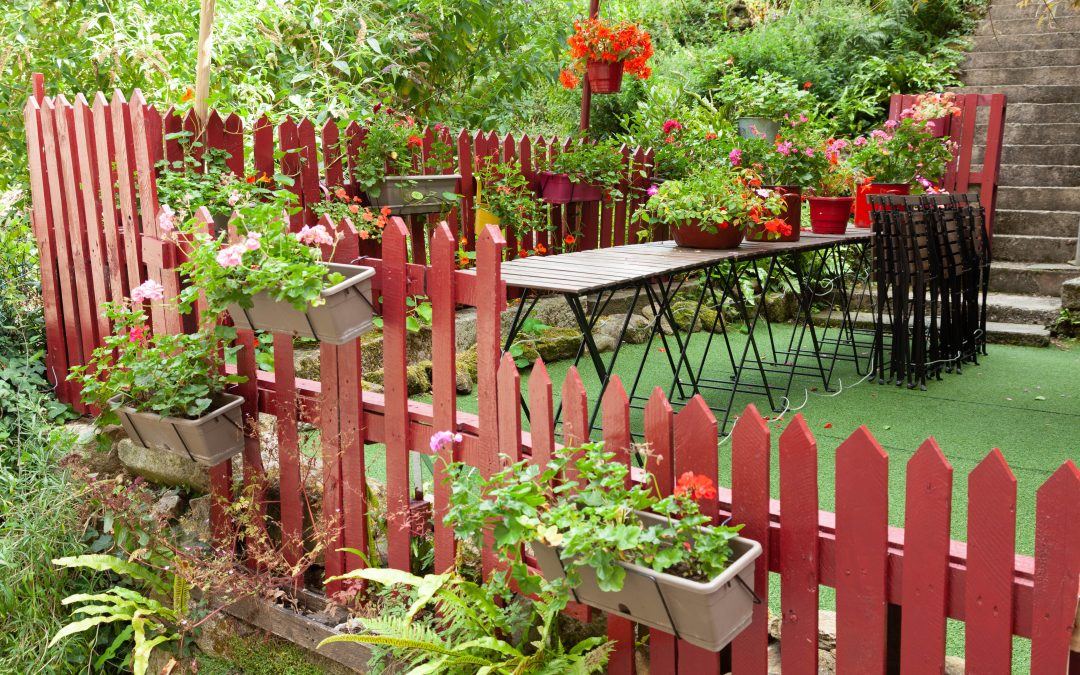
A backyard patio can completely transform the way you use your outdoor space. Whether you dream of hosting family barbecues, relaxing with a morning coffee, or creating a peaceful retreat after a busy day, a well-planned patio landscape can make it happen.
The best part is that you do not need a massive yard or an unlimited budget to create a beautiful outdoor area. With thoughtful planning, the right plants, and a clear vision, you can design a patio landscape that is both functional and visually appealing.
If you are wondering how to plan a backyard patio landscape, this guide will walk you through the key steps to create an outdoor space that fits your lifestyle and enhances your home’s value.
Start with a Clear Purpose
Before selecting plants, furniture, or materials, think about how you plan to use the space.
Ask yourself:
- Will the patio be used for entertaining guests?
- Do you want an outdoor dining area?
- Are you creating a quiet relaxation zone?
- Will children or pets use the space regularly?
- Do you need shade during hot afternoons?
The answers to these questions will guide every design decision moving forward.
For example, a patio designed for large gatherings will require more seating and open space, while a relaxation-focused patio may benefit from privacy features and lush greenery.
Measure and Evaluate Your Backyard
One of the most important steps in learning how to plan a backyard patio landscape is understanding the space you already have.
Take accurate measurements of:
- Yard dimensions
- Existing structures
- Trees and shrubs
- Property boundaries
- Utility locations
Also pay attention to:
- Sun exposure
- Shade patterns
- Drainage issues
- Wind direction
- Slopes and uneven ground
These factors will influence plant selection, patio placement, and overall layout.
Establish a Realistic Budget
Outdoor projects can range from simple weekend upgrades to extensive landscape renovations.
Determine your budget early so you can prioritize features that matter most.
Common patio landscape expenses may include:
- Patio materials
- Outdoor furniture
- Plants and trees
- Lighting
- Irrigation systems
- Decorative elements
A clear budget helps prevent unexpected costs and allows you to plan improvements in phases if necessary.
Choose the Right Patio Location
Location plays a major role in comfort and usability.
Many homeowners place patios directly behind their homes for easy access. However, depending on your yard, other locations may work better.
Consider:
- Proximity to the house
- Views from the patio
- Privacy from neighbors
- Access to utilities
- Natural shade
A patio positioned to take advantage of attractive garden views can make the entire backyard feel more inviting.
Select Patio Materials Carefully
The material you choose affects both appearance and maintenance requirements.
Popular patio materials include:
Concrete
Concrete is durable, affordable, and available in various finishes and patterns.
Pavers
Pavers offer flexibility and visual appeal. They come in different colors, shapes, and textures.
Natural Stone
Natural stone creates a timeless and upscale appearance. While often more expensive, it adds character and durability.
Brick
Brick patios provide classic charm and work well with traditional home styles.
Choose materials that complement your home’s architecture and overall landscape design.
Create Functional Zones
One helpful strategy when considering how to plan a backyard patio landscape is dividing the space into functional areas.
For example:
- Dining area
- Lounge space
- Fire pit zone
- Garden section
- Children’s play area
Creating zones helps maximize available space and improves flow throughout the yard.
Even small backyards can benefit from clearly defined areas that serve different purposes.
Incorporate Landscaping Around the Patio
Plants soften hard surfaces and help the patio blend naturally into the surrounding environment.
Consider adding:
- Flower beds
- Ornamental grasses
- Shrubs
- Small trees
- Container gardens
According to the National Association of Landscape Professionals, attractive landscaping can significantly improve curb appeal and increase homeowner satisfaction with outdoor spaces.
A balanced mix of plants provides color, texture, and seasonal interest throughout the year.
Choose Low-Maintenance Plants When Possible
Beautiful landscaping does not have to require endless upkeep.
Look for plants that are:
- Native to your region
- Drought tolerant
- Disease resistant
- Suitable for local soil conditions
Native plants often require less water and maintenance because they are naturally adapted to local climates.
This can save both time and money while supporting local ecosystems.
Add Shade for Comfort
A patio that receives full sun throughout the day may become uncomfortable during warmer months.
Consider shade solutions such as:
- Pergolas
- Shade sails
- Retractable awnings
- Umbrellas
- Trees
Shade structures not only improve comfort but also add visual interest to the overall design.
When planning long-term landscaping, strategically planted trees can provide natural shade as they mature.
Use Outdoor Lighting Strategically
Lighting extends patio usability into the evening hours and creates a welcoming atmosphere.
Popular lighting options include:
- String lights
- Pathway lights
- Solar fixtures
- Landscape spotlights
- Wall-mounted lights
Good lighting improves safety while highlighting key landscape features.
Soft lighting often creates a cozy ambiance that encourages people to spend more time outdoors.
Think About Privacy
Privacy can make a backyard patio feel like a personal retreat.
Depending on your yard layout, you may want to incorporate:
- Hedges
- Privacy screens
- Decorative fencing
- Trellises with climbing plants
- Tall ornamental grasses
These features can help block unwanted views while enhancing the beauty of the space.
Add Personal Touches
Once the major elements are in place, focus on details that reflect your personality.
Ideas include:
- Outdoor rugs
- Decorative planters
- Water features
- Fire pits
- Outdoor artwork
- Comfortable cushions
These finishing touches help transform a standard patio into a space that feels uniquely yours.
Plan for Long-Term Maintenance
A successful patio landscape should remain attractive for years to come.
As you design, consider:
- Plant growth over time
- Seasonal maintenance needs
- Irrigation requirements
- Cleaning and upkeep of patio surfaces
Choosing durable materials and manageable plantings can reduce future maintenance demands.
A little planning today can prevent major headaches later.
Common Mistakes to Avoid
When learning how to plan a backyard patio landscape, try to avoid these common pitfalls:
- Choosing plants that outgrow the space
- Ignoring drainage issues
- Overcrowding the patio with furniture
- Forgetting about shade
- Skipping landscape lighting
- Failing to create clear traffic flow
Avoiding these mistakes can help ensure a more enjoyable and functional outdoor area.
Conclusion
Understanding how to plan a backyard patio landscape begins with thoughtful preparation. By defining your goals, evaluating your space, selecting the right materials, and incorporating plants that complement your lifestyle, you can create an outdoor environment that feels comfortable, beautiful, and practical.
Whether your vision includes entertaining friends, enjoying family dinners, or simply relaxing outdoors, a well-designed patio landscape can become one of the most valuable and enjoyable parts of your home. Start with a plan, focus on functionality, and build a space that you will enjoy for years to come.
Recent Comments