
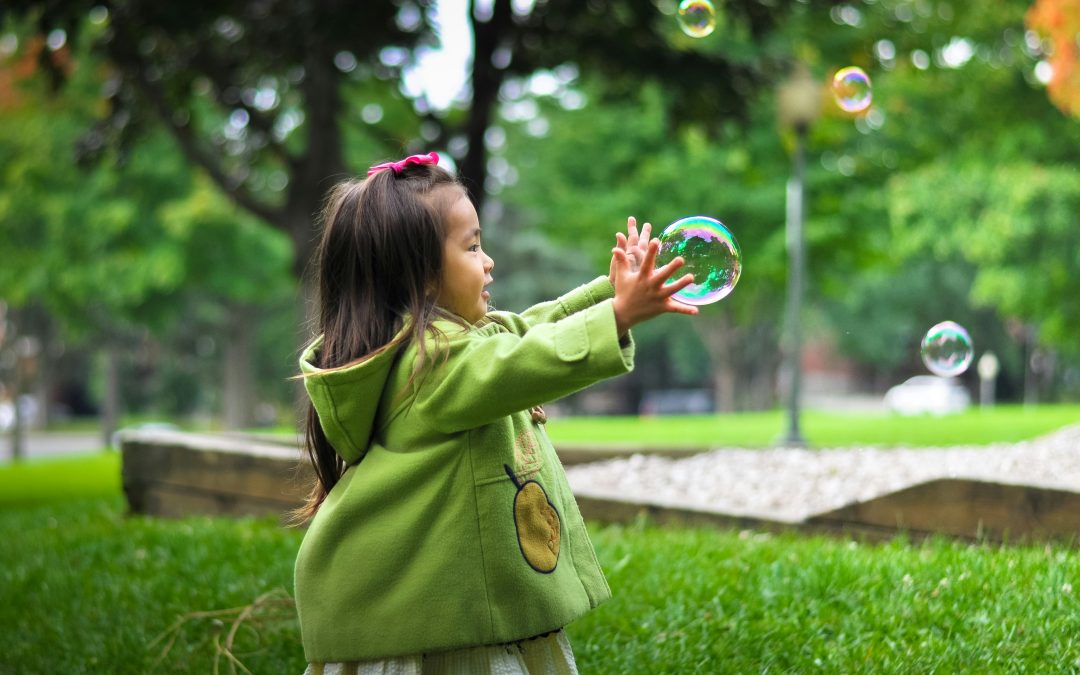
Designing your outdoor space when you’ve got little ones running around? That’s a whole different game. It’s not just about making your yard look pretty anymore. It’s about creating a space where your kids can play safely, explore nature, and enjoy the outdoors while still keeping things stylish and manageable for you.
Whether you’re planning a backyard makeover or just thinking of adding a few features, landscaping for homes with children means blending safety, fun, and function. Let’s walk through some creative and practical ideas to help you build the perfect kid-friendly yard.
Why Child-Friendly Landscaping Matters
Kids are natural explorers. Give them a stick and a pile of dirt, and they’ll be entertained for hours. But without proper planning, your yard could be full of hidden hazards—sharp-edged stones, poisonous plants, or hard surfaces that turn risky during rough play.
In fact, the Centers for Disease Control and Prevention (CDC) reports that more than 200,000 children under 14 visit the ER annually due to playground-related injuries. And many of these happen right at home.
So the goal here is clear: create a space that’s safe, engaging, and adaptable as your children grow.
Key Elements of Landscaping for Homes with Children
Let’s break down what goes into building a kid-friendly landscape that doesn’t sacrifice beauty or practicality.
1. Choose Soft, Safe Ground Cover
Falls happen. The right ground cover can reduce the impact and protect kids from scrapes and bumps.
Great options include:
- Rubber mulch (non-toxic and soft)
- Wood chips (natural and affordable)
- Grass (classic and easy to maintain)
- Artificial turf (low maintenance and clean)
Avoid sharp-edged gravel or hard stone surfaces in play zones.
2. Design Zones for Play and Relaxation
A well-designed yard for families has space for both kids and adults. Think in zones.
Ideas to try:
- A play area with swings, a sandbox, or a mini climbing frame
- A shaded nook with a bench or hammock for story time or snacks
- An open grassy patch for running, soccer, or tag
Zoning helps keep the yard organized and encourages kids to use areas in age-appropriate ways.
3. Add Natural Play Elements
Skip the bright plastic toys and try nature-inspired play features. They look great and spark creativity.
Try adding:
- Stepping stones or tree stumps for hopping games
- A mud kitchen or water table
- Logs for balancing and climbing
- Butterfly or sensory gardens with safe, colorful plants
These features encourage kids to connect with nature, get messy, and use their imagination.
4. Pick Kid-Safe Plants
Not all plants are safe for children—some are toxic if touched or ingested. Choose plants that are non-toxic, soft to touch, and allergy-friendly.
Kid-safe plants to consider:
- Marigolds
- Sunflowers
- Snapdragons
- Lavender
- Zinnias
- Herbs like mint, basil, and thyme
Avoid anything with thorns (like roses or barberries), or poisonous varieties (like foxglove, oleander, or daffodils).
5. Install Good Fencing and Boundaries
A safe yard is a secure yard. Solid fencing keeps children from wandering off and gives you peace of mind while they play.
Make sure gates latch securely and can’t be easily opened by small hands
Use hedges or raised beds to subtly guide kids away from adult-only areas like a fire pit or grill
Keep Maintenance Simple
Landscaping for homes with children shouldn’t require hours of work every weekend. Choose low-maintenance plants and surfaces so you spend less time weeding and more time enjoying the space.
- Use native plants that thrive in your climate
- Opt for mulch beds to reduce weed growth
- Install drip irrigation systems to keep everything watered with little effort
And don’t forget storage. A small shed or storage bench for toys, tools, and garden gear can help keep your yard tidy.
Involve the Kids in the Process
One of the best parts of family landscaping is getting the kids involved. Let them plant a small garden, paint stones for decoration, or pick flowers for the beds. When children feel like the space is theirs, they’re more likely to spend time outside and take care of it.
You can even give them their own little corner of the yard—just a few square feet—to dig, plant, or build whatever they like.
Final Thoughts: Create a Space That Grows with Your Family
At the end of the day, the best landscaping for homes with children isn’t about perfection. It’s about creating a space that works for your real, everyday life. A yard that’s safe but not boring. Beautiful but still made for playing, laughing, and getting a little dirty.
As your kids grow, you can shift the space. Replace the sandbox with a fire pit or turn the playhouse into a garden shed. It’s all about flexibility.
So grab a sketchpad, chat with your family, and start planning a backyard that brings everyone outside more often. Trust us, you’ll be glad you did.
Recent Comments