
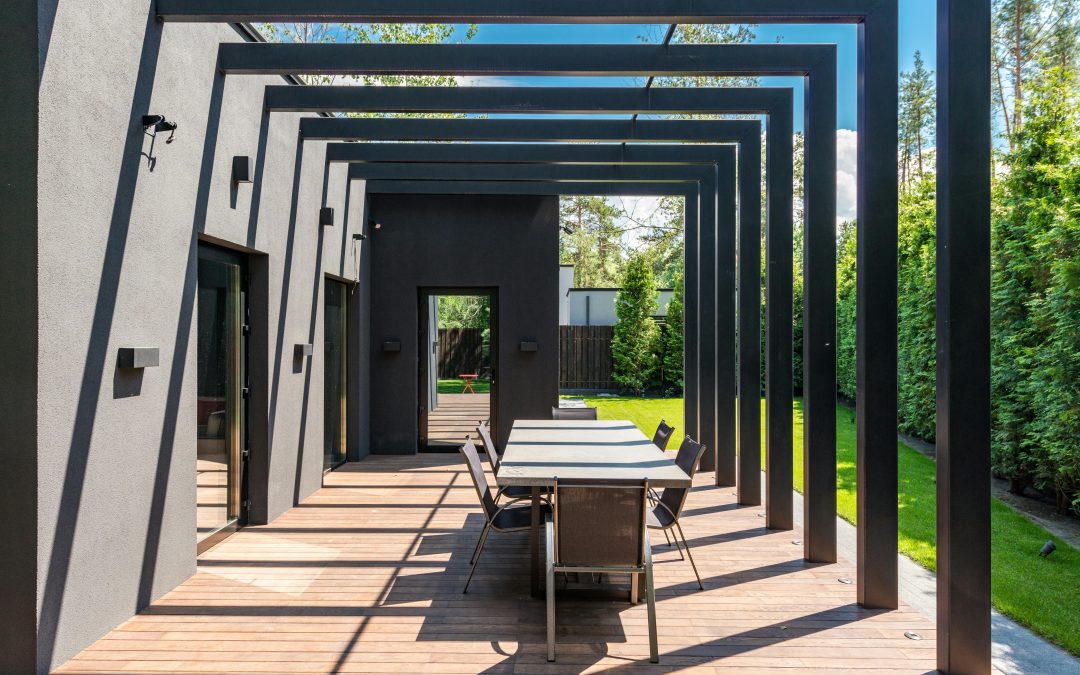
Stepping outside should feel just as comfortable as walking into your living room. That idea is driving the growing interest in outdoor living space design. More homeowners are realizing that their patios, yards, and decks can become true extensions of their homes rather than spaces that are only used a few times a year.
Whether you have a small backyard or a wide open lawn, thoughtful design choices can turn outdoor areas into places where people relax, entertain, and recharge. Let’s talk about how smart planning and simple ideas can completely change the way you experience the outdoors.
Why Outdoor Living Spaces Matter More Than Ever
Spending time outside has real benefits. According to the American Psychological Association, time spent in natural environments can help reduce stress and improve overall well being. That might explain why outdoor spaces became especially popular in recent years as people looked for ways to enjoy fresh air without leaving home.
Outdoor living space design is no longer just about adding a few chairs to a patio. It is about creating functional areas that support daily life, from family dinners to quiet mornings with a cup of coffee.
Defining How You Want to Use the Space
Before choosing furniture or materials, it helps to think about how you actually want to use your outdoor area. Every household is different, and the best designs reflect real habits rather than trends.
Ask yourself a few simple questions:
- Do you want a space for entertaining guests
- Are you looking for a peaceful retreat to relax
- Will children or pets be using the area often
- Do you plan to cook or dine outdoors regularly
Clear answers make design decisions easier and help prevent wasted space.
Creating Zones for Comfort and Flow
One of the most effective outdoor living space design techniques is zoning. This means dividing your outdoor area into sections, each with its own purpose.
Common zones include:
- Seating areas for conversation
- Dining spaces for meals
- Cooking or grilling areas
- Open space for movement or play
Using rugs, planters, or changes in surface materials can help visually separate these zones while keeping the space cohesive.
Choosing Materials That Last
Outdoor environments are tough on materials. Sun, rain, wind, and temperature changes all play a role. That is why durability matters just as much as appearance.
Popular choices include stone, concrete, treated wood, and composite materials. These options are designed to handle weather exposure while maintaining their look over time.
The National Association of Home Builders notes that durable outdoor materials can significantly reduce long term maintenance costs. Choosing quality materials upfront often saves money and effort later.
Blending Nature With Structure
A well designed outdoor space feels connected to nature rather than competing with it. Plants, trees, and natural textures soften hard surfaces and create a welcoming atmosphere.
Consider mixing greenery with structural elements like pergolas or retaining walls. Native plants are especially useful because they require less water and maintenance while supporting local ecosystems.
This balance between built features and natural elements is a core principle of successful outdoor living space design.
Lighting That Extends Usability
Lighting often gets overlooked, but it plays a major role in how often outdoor spaces are used. Good lighting makes areas safer and more inviting after sunset.
Options include:
- Soft pathway lights for navigation
- String lights for ambiance
- Wall mounted fixtures near seating areas
- Solar lights for energy efficiency
The right lighting setup allows you to enjoy your outdoor space well into the evening without feeling harsh or overexposed.
Furniture That Feels Like Home
Outdoor furniture has come a long way. Today’s options offer comfort that rivals indoor seating while being built for the elements.
Look for weather resistant cushions, sturdy frames, and materials that are easy to clean. Modular furniture can be especially useful because it adapts to different activities and gatherings.
Comfortable furniture encourages people to stay longer and use the space more often.
Adding Personal Touches
What truly makes an outdoor space special is personality. Decorative elements help the area feel lived in and loved.
Simple additions include:
- Throw pillows and blankets designed for outdoor use
- Fire pits or heaters for cooler evenings
- Outdoor art or decorative planters
- Water features for soothing sound
These details transform a basic setup into a space that feels intentional and inviting.
Sustainability in Outdoor Design
Many homeowners are now thinking about environmental impact when planning outdoor spaces. Sustainable outdoor living space design focuses on reducing waste and conserving resources.
Examples include using permeable paving to manage water runoff, installing rain barrels, and choosing energy efficient lighting. These small choices can add up to meaningful environmental benefits.
According to the Environmental Protection Agency, sustainable landscaping practices can reduce water use by up to 50 percent in some regions.
Budgeting Without Sacrificing Quality
Creating an outdoor living area does not have to happen all at once. Phased planning allows homeowners to build over time while staying within budget.
Start with core elements like seating and shade, then add features like lighting or built in structures later. This approach makes outdoor living space design more manageable and less overwhelming.
Focusing on quality rather than quantity ensures each addition serves a purpose.
Common Design Mistakes to Avoid
Even well intentioned projects can fall short without proper planning. A few common mistakes include ignoring sun exposure, overcrowding the space, or choosing materials that do not suit the climate.
Taking time to observe how sunlight moves across your yard and how you naturally use the space can prevent these issues.
Good design is as much about restraint as it is about creativity.
Bringing It All Together
Outdoor living space design is about more than aesthetics. It is about creating spaces that support daily life, encourage relaxation, and bring people together. With thoughtful planning, durable materials, and a touch of personal style, outdoor areas can become some of the most enjoyed parts of a home.
The goal is not perfection. It is comfort, function, and connection. When those elements come together, your outdoor space truly feels like home.
Recent Comments