
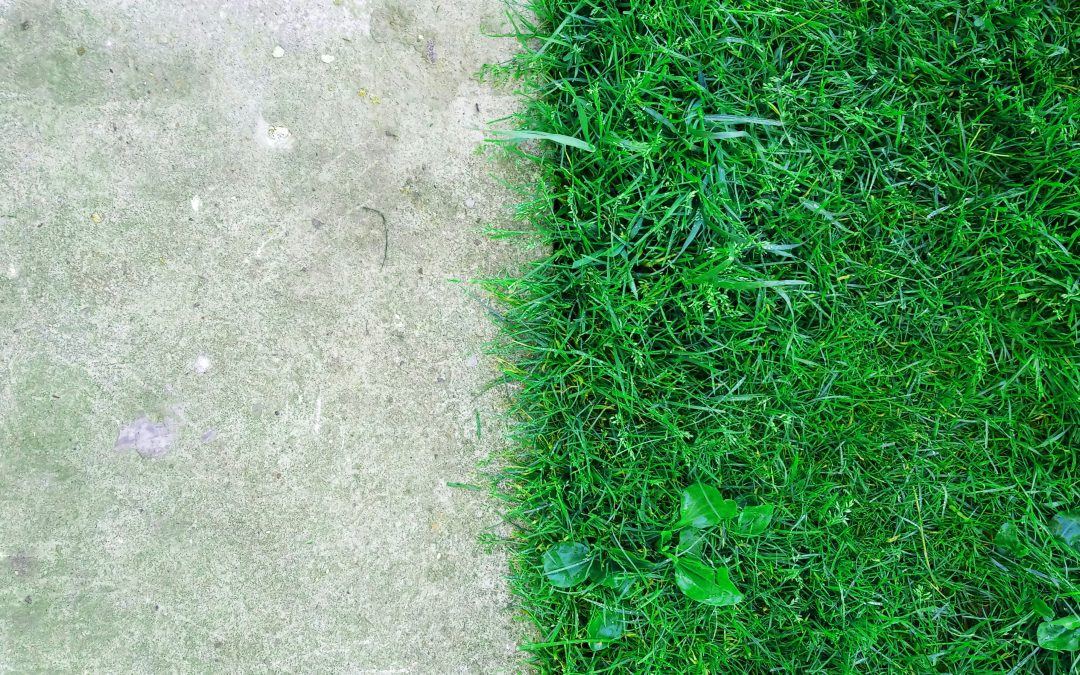
When planning your outdoor space, one of the most common design questions homeowners face is: should the patio be higher than the lawn? At first glance, the answer may seem simple, but it actually depends on several factors—drainage, aesthetics, maintenance, and practicality. The height difference between your patio and lawn can make or break both the functionality and appearance of your garden. Let’s explore why patio height matters, how to find the ideal balance, and what mistakes to avoid.
Why Patio Height Is Important
The relationship between your patio and lawn isn’t just about looks—it’s about performance. A well-leveled patio ensures that rainwater drains properly, surfaces stay clean, and the transition from house to garden feels natural. If your patio is too low, water can pool or even run toward your home. Too high, and it can create awkward steps or an unbalanced appearance.
Setting the right height is crucial for:
- Drainage: Preventing water from flooding your home or pooling on the patio.
- Accessibility: Ensuring easy movement between indoor and outdoor spaces.
- Aesthetics: Creating a smooth, visually pleasing transition between different areas of your garden.
Should the Patio Be Higher Than the Lawn?
In most cases, yes—your patio should be slightly higher than your lawn. The recommended difference is typically between 25mm (1 inch) and 50mm (2 inches). This small elevation helps rainwater drain away naturally and prevents soil or grass from spilling onto the patio surface.
Think of it this way: your patio acts as an extension of your living space, while your lawn serves as the softer, lower landscape area. Keeping a small step or edge between the two creates both function and visual definition.
Key Benefits of a Higher Patio
- Better Drainage
A slightly raised patio allows rainwater to flow away from your house and lawn efficiently. If your patio sits lower, water may pool against the edges, causing slippery surfaces, moss buildup, or even foundation damage over time. - Cleaner Patio Surface
By keeping the patio elevated, you prevent soil, mulch, and grass clippings from washing or blowing onto the surface after rain or lawn mowing. This means less cleaning and maintenance. - Defined Edges and Structure
The slight height difference naturally separates the patio from the lawn, giving your garden a structured, intentional design. It’s especially useful in modern or terraced gardens where levels add dimension. - Improved Accessibility from Indoors
If your patio connects directly to your house, the floor levels should align closely for safety and comfort. From there, a small drop to the lawn ensures that rainwater doesn’t run toward your doors or foundation.
When a Level Patio Works Best
While a raised patio is often ideal, there are situations where having the patio and lawn at the same level works perfectly well. For example:
- Small gardens: Keeping levels the same can make the space feel larger and more open.
- Minimalist or modern designs: A seamless transition creates a sleek, continuous look.
- Drainage already optimized: If you have a well-designed slope away from the house, you can safely keep both areas level.
In these cases, proper drainage systems—like gravel channels, French drains, or subtle slopes—are essential to prevent water buildup.
When to Lower the Patio Instead
In some landscaping designs, the patio may sit slightly lower than the lawn, such as in sunken gardens or enclosed courtyards. This setup can create a cozy, private space but requires excellent drainage planning.
A lowered patio might work if:
- You want a sheltered seating area surrounded by raised garden beds.
- You’re working with uneven ground and want to create depth.
- You install drainage channels or a soakaway to prevent waterlogging.
However, this design requires more maintenance and careful construction to avoid water issues, so it’s less common for standard residential gardens.
How to Achieve the Right Patio Height
If you’re installing or redesigning your patio, here’s how to get the height right:
1. Measure from the House
If your patio connects directly to your home, the surface should sit at least 150mm (6 inches) below your property’s damp-proof course. This ensures moisture doesn’t travel up your walls and cause damp problems.
From there, create a gentle slope—about 1:80 gradient—away from the house to allow water to drain off naturally.
2. Decide the Drop to the Lawn
Maintain a height difference of around 25–50mm between the patio and the lawn. This keeps grass clippings, soil, and mulch from creeping up and dirtying your patio.
You can use edging stones, small retaining walls, or natural borders to create a neat visual transition.
3. Plan for Drainage
Install a drainage system if your garden is flat or prone to pooling water. Options include:
- Permeable paving: Allows water to soak through the patio surface.
- Channel drains: Collect and divert runoff water effectively.
- Gravel borders: Absorb excess rainwater and reduce splashing.
4. Consider Accessibility
If you want a patio that’s wheelchair or stroller-friendly, reduce the height difference and add a gentle ramp or sloped edge. The goal is to balance safety with functionality.
Aesthetic and Design Considerations
Beyond practicality, the height difference also affects the overall look and feel of your outdoor space.
- For modern homes: A flush, level design creates clean lines and a minimalist appearance.
- For traditional gardens: A slightly raised patio adds definition and blends beautifully with layered flowerbeds or stone edging.
- For sloped landscapes: Using steps or terraced levels can transform uneven ground into a stunning, structured garden design.
Lighting also plays a role. You can highlight the edge between patio and lawn using LED strip lights, recessed step lighting, or pathway lamps for added safety and ambiance.
Common Mistakes to Avoid
When planning patio and lawn levels, a few common errors can lead to drainage problems or awkward designs:
- Ignoring slope direction: Always ensure water flows away from your home, not toward it.
- Setting patio too high: This can look out of place and create trip hazards.
- No drainage system: Even small patios need proper runoff planning.
- Uneven transitions: Avoid mismatched steps or irregular edges that disrupt the garden’s visual flow.
Taking time to measure, level, and plan ensures your outdoor area looks great and functions flawlessly.
Final Thoughts
So, should your patio be higher than your lawn? In most situations, yes—a patio slightly raised above the lawn by one to two inches is ideal. It helps with water drainage, keeps the area cleaner, and gives your garden a polished, professional look.
However, every space is unique. The best height depends on your garden’s layout, slope, and style preferences. Whether you choose a raised patio for definition or a level design for seamless flow, planning the levels correctly will create a more practical and beautiful outdoor living space for years to come.
Recent Comments